Before paying a rigid box manufacturer for a sample, ask them to put the proposed build in writing. A few clear lines about the structure, paper, insert and finish give you something useful to approve. They also show where the supplier still needs your input.
That matters when your starting point is a reference photo. You can see the look you want, but the photo may leave the board, lining and opening mechanism unclear. The conversation before sampling is your chance to settle those details while changes are still on paper.
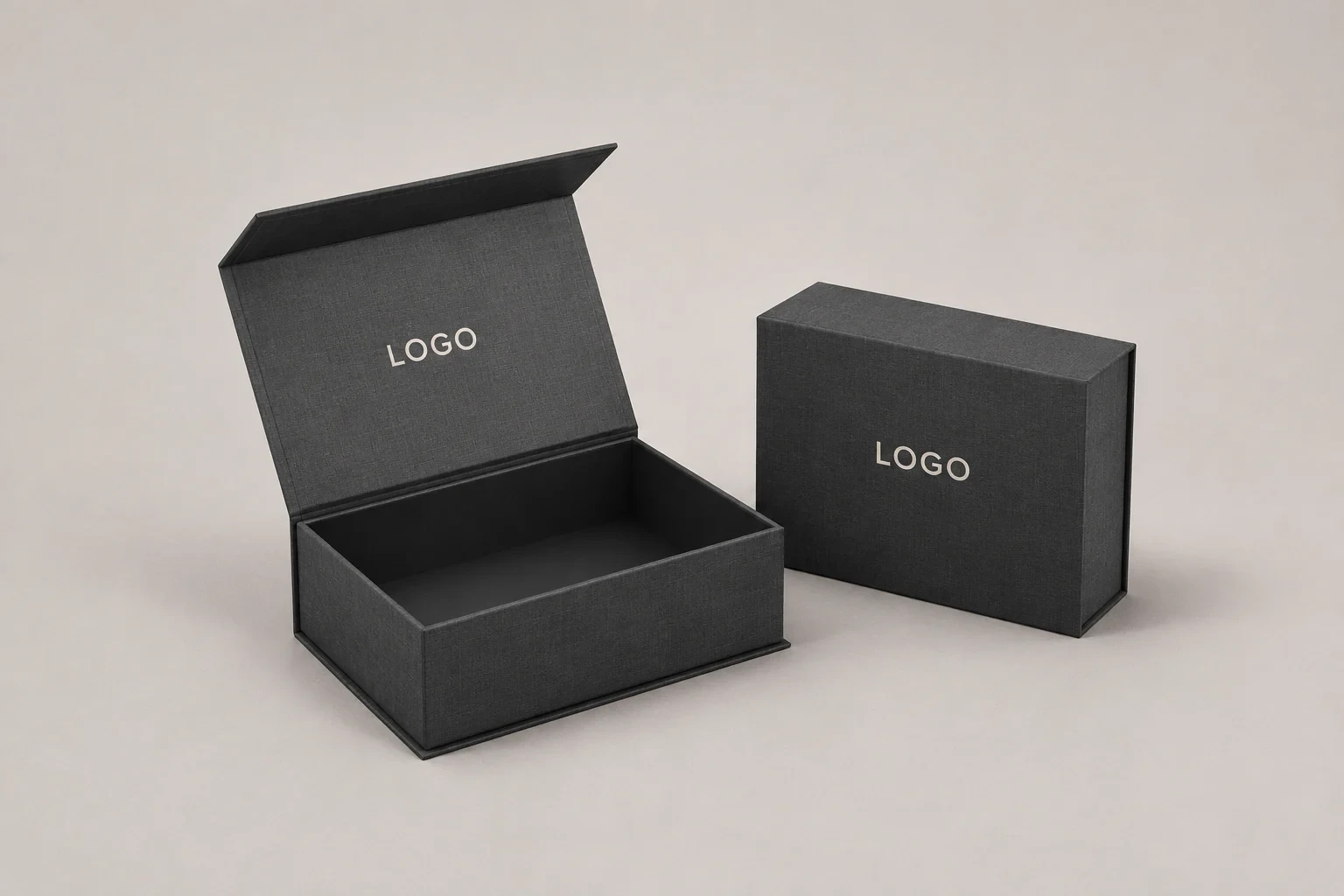
Ask the manufacturer to explain the box in your photo
Start with the opening. Is the lid attached, lifted off or pulled out as a drawer? Then ask what the visible surface is made from. A linen-look paper and a fabric covering can look similar in a small image, but they are different specifications.
Have the supplier name the board, wrap, lining, insert material and each finish. If the quote says EVA, ask whether that means bare foam or foam with a flocked surface. If it says gold logo, confirm whether that means printed ink or metallic foil.
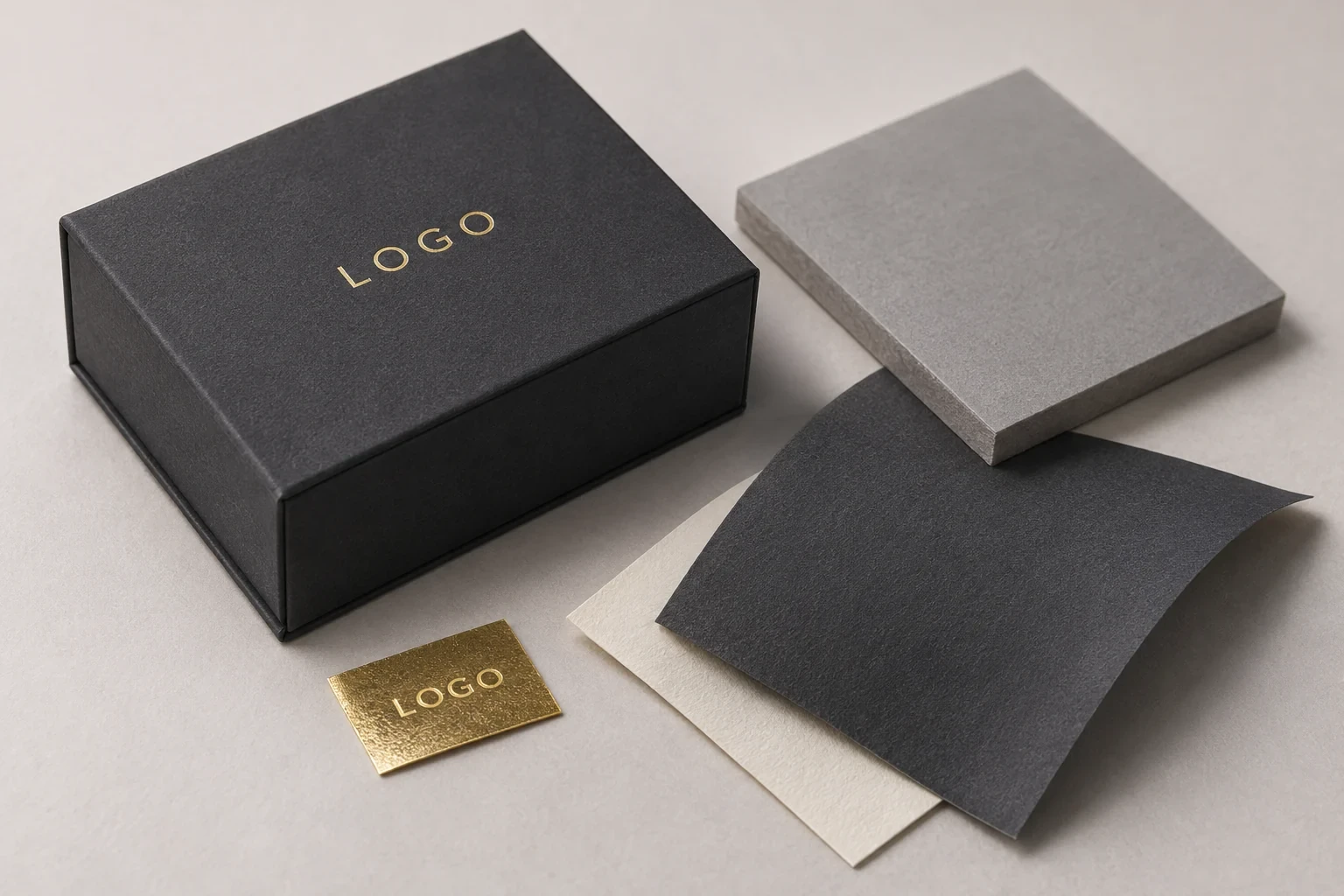
You do not need to choose every material yourself. Ask for a recommendation around your budget, with the reason for it. Once those choices are clear, it becomes much easier to decide what the sample needs to prove.
Give the sample a specific job
Ask which of these questions your proposed sample will answer:
- Does the complete product fit, including the cap, label and any projecting parts?
- Can someone load the products, close the box and remove them comfortably?
- Which paper, print and finishing details will match the proposed production method?
An existing box can help you judge workmanship. A custom structural sample checks your dimensions. A printed sample brings more of the finished appearance into the review. Ask what will be simulated or made differently from production. Our sample options explain these separate checks.
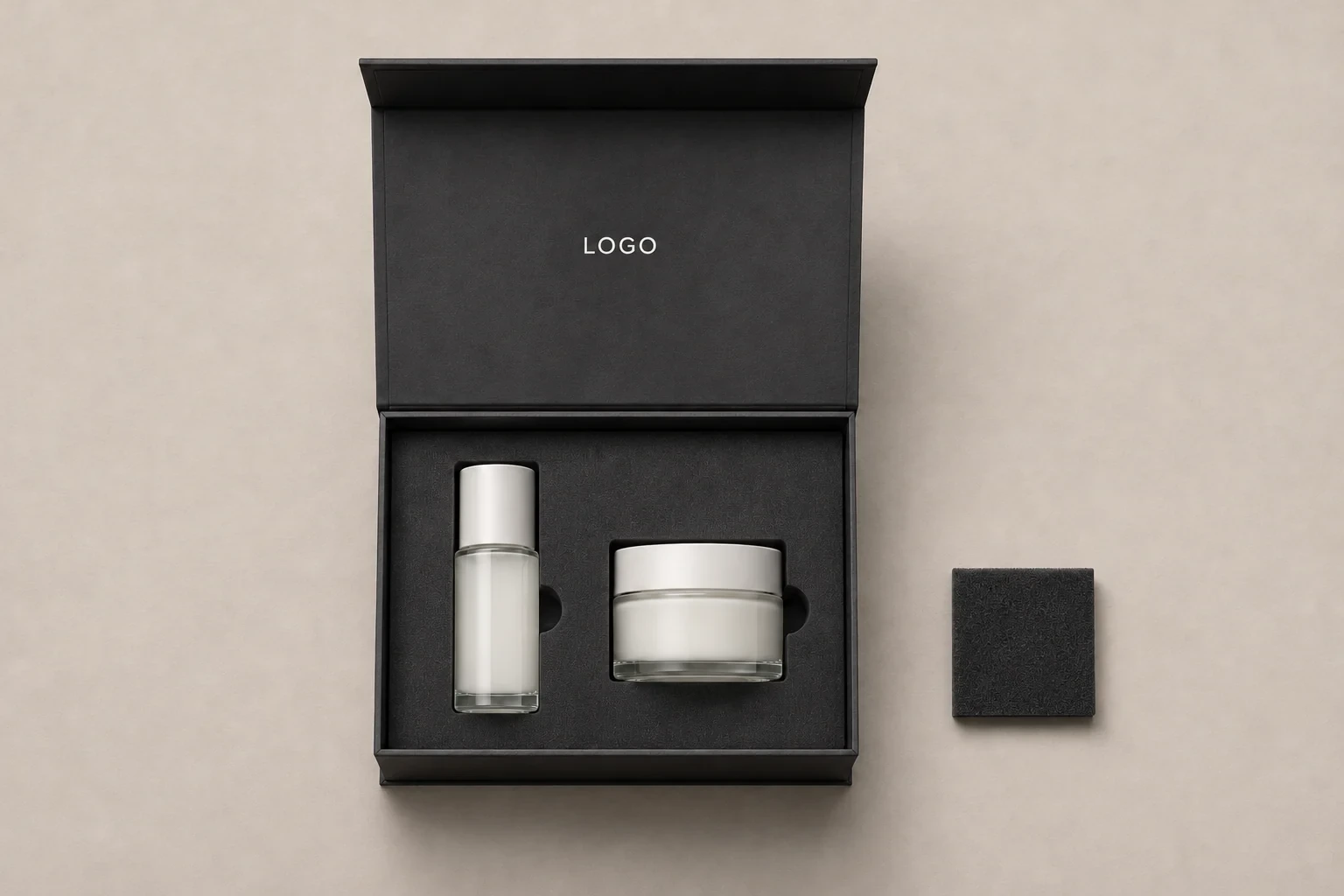
Find out who checks the complete pack
If the order includes a box and insert, ask who checks them together with your product. If it also includes a sleeve or bag, include that part in the same review. A well-made component can still be the wrong size for the rest of the set.
Also confirm who you will contact about corrections, who issues the quotation and invoice, and who is responsible for the finished order. Clear responsibility is useful whether one workshop or several suppliers make the components.
Watch how a real revision is handled
Suppose the insert needs a deeper cutout or you decide to move the logo. Ask for that change to appear in the revised drawing or artwork, with a clear version name. Check whether it affects the price or another part of the construction.
This is a practical way to assess communication. When you can trace a change from your message to the updated file, you have a clearer route to approving the sample. Keep that same record for production.
Make the handoff to production clear
Before you say yes, collect the final artwork, material list, insert layout and any unresolved points in one short approval message. Keep the physical reference too. If the sample uses a different print method, agree how the production color and finish will be checked.
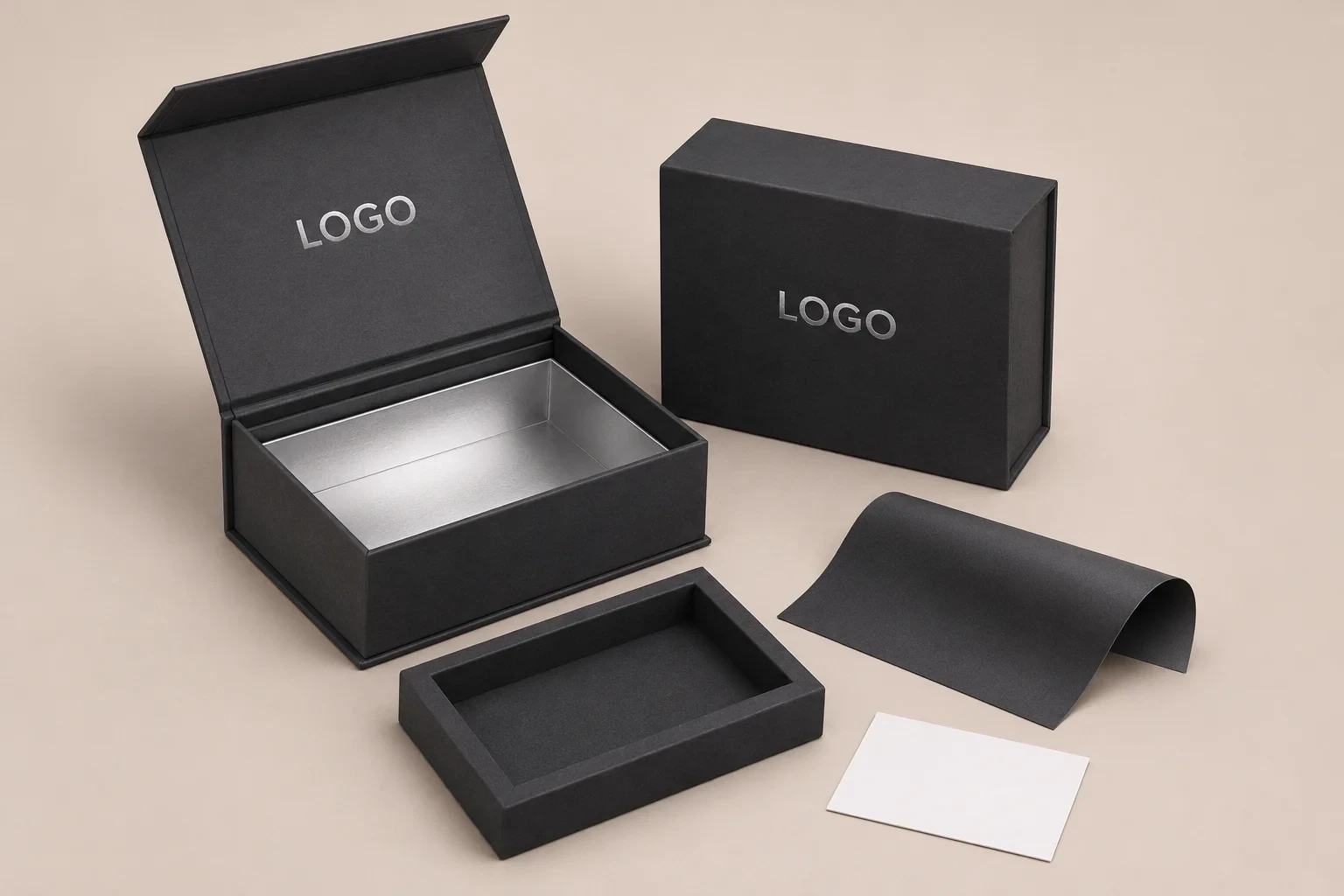
Ask how the manufacturer will check the run against those references and how a proposed substitution will be brought to you. Useful inspection photos show the inside, corners, closure and packed product. Agree the acceptance details for your project before production starts.
Start with the details you already have
LEETOP custom rigid boxes start at 100 pieces. Send your reference image, product dimensions, quantity and delivery ZIP code through our design and quote form. We can help with the initial design and mockup, identify the open decisions and quote a physical sample separately.