Choose a folding carton manufacturer who can explain how the carton will fit your product and show you what you are approving before production. For a first order of 500 boxes, that conversation matters more than a polished mockup. Compare prices once the board, printing and finished construction are clear.
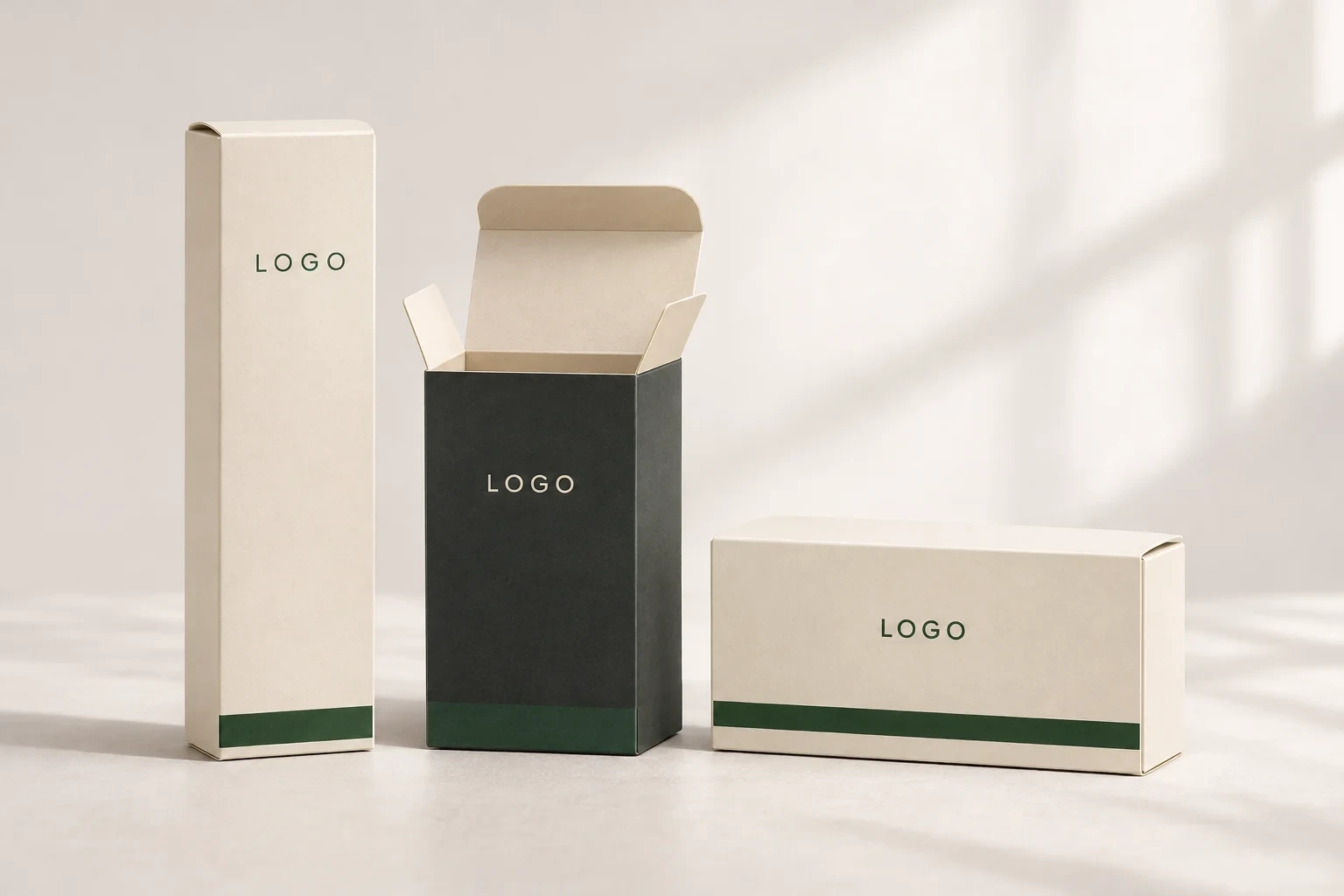
Start with the product and how you will pack it
A folding carton is made from scored paperboard that folds into shape. It suits many retail products, but it is a different construction from a rigid gift box or a corrugated shipping mailer. Tell the supplier which job the carton must do.
Send the complete product dimensions, including its cap or pump, along with its weight and a photo. If you already have a carton, say which details should stay and which need to change. Also explain who will assemble and fill the new boxes.
Ask for a material specification you can compare
“Thick card” leaves too much open to interpretation. Ask for the proposed board grade and weight, with thickness where relevant. Two stocks with the same weight can behave differently, so a physical sample still matters.
Paperboard
What to confirm: The grade, weight and surface the supplier will actually use.
Construction
What to confirm: The opening, bottom closure and any glued seam or paper support.
Printing
What to confirm: Which panels are printed, the colors and each special finish.
Supply condition
What to confirm: Whether cartons arrive flat and glued, unglued or already assembled.
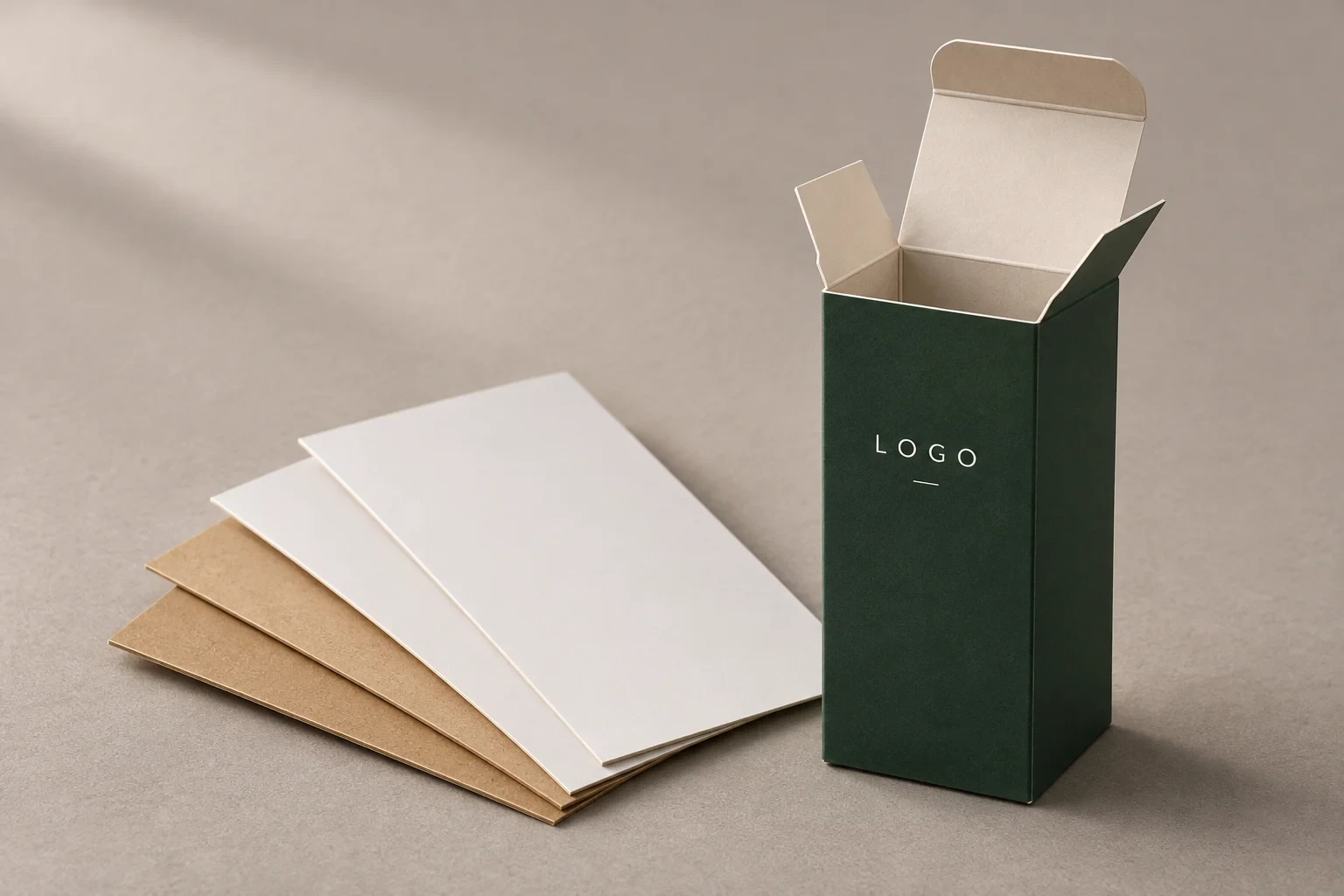
If you are comparing folding carton suppliers, give each one the same version of this brief. A lower quote may simply cover fewer print areas or a different finish. Ask what changed before deciding whether the price is better.
Know what the sample can approve
Use the actual product to check loading, closing and removal. The top flap should close without forcing the product down, and the bottom must suit the packed weight. Assemble a few samples at your normal packing pace. A carton that works only when handled very carefully may slow your team down.

A blank sample helps check fit and construction. It does not approve the final printed color or foil. For those decisions, ask which sample uses the proposed production materials and which details are simulated.
Count the quantity for each artwork
For example, 500 cartons split across five designs means 100 of each design. That can be a different production job from 500 identical cartons. Confirm whether the minimum applies to each size or artwork, and whether designs can share a run. Ask for a larger-quantity comparison only if you can use and store the extra stock.
Plan for the cartons arriving at your business
Confirm how the cartons will be supplied before agreeing on freight. Flat cartons usually take less storage space than erected boxes, but your team still needs to know the assembly steps. An unglued blank and a flat, pre-glued carton involve different work when they arrive.
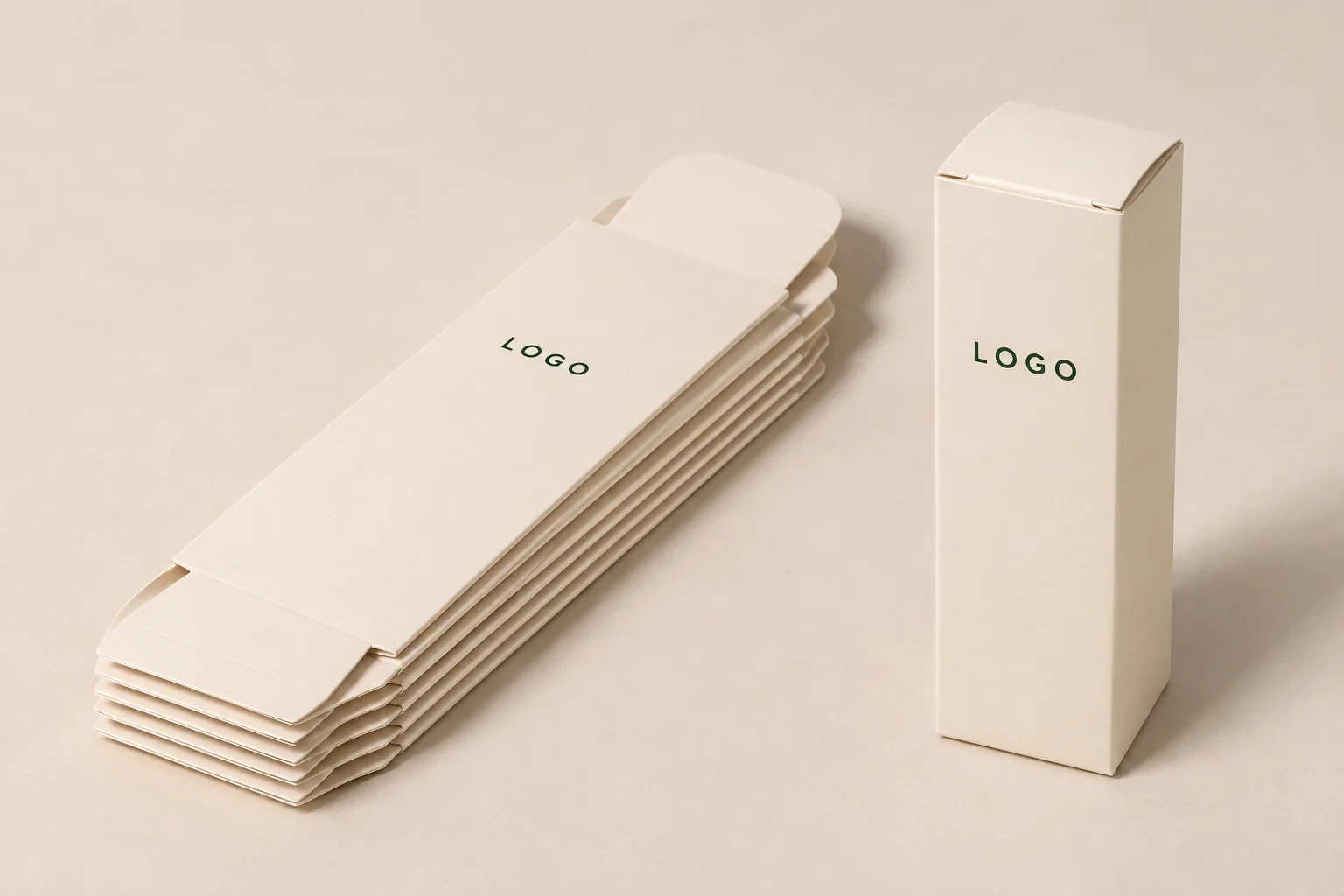
Save the approved dieline, artwork and material specification together. Keep a physical reference for reorders. If the product, finish or packing method changes, review the affected details again before repeating the order.
Get a folding carton quote from LEETOP
Our custom folding cartons start at 500 pieces. We can help with the initial design and mockup, then quote a physical sample separately. Send your product photo, dimensions, quantity by design and delivery postcode through our design and quote form. We will help you settle the open specifications before pricing production.